Caring for a dog that has lost its sight requires a thoughtful and adjusted approach to ensure their well-being and happiness. Blind dogs can lead fulfilling lives with the right care and attention.

Making simple adjustments and understanding their needs can significantly improve their quality of life. This introduction will cover the basics of blind dog care and provide a foundation for the more detailed advice in the following sections.
Key Takeaways
- Understand the needs of your blind dog
- Make simple adjustments to their environment
- Provide extra attention and care
- Maintain a consistent daily routine
- Ensure their safety and comfort
Understanding Blindness in Dogs
Understanding the complexities of dog blindness is essential for providing the best possible care for affected dogs. Blindness in dogs can result from a variety of factors, including age-related conditions, injuries, or diseases.
Common Causes of Blindness in Dogs
Several health issues can lead to blindness in dogs. Cataracts, glaucoma, and progressive retinal atrophy are among the most common causes. Cataracts involve the clouding of the lens in the eye, while glaucoma is characterized by increased pressure within the eye. Progressive retinal atrophy is a degenerative condition that affects the retina.
Signs Your Dog May Be Losing Vision
Recognizing the signs of vision loss in dogs is crucial for early intervention and support. Dogs may exhibit behaviors such as bumping into objects or hesitating in new environments. Changes in their eye appearance, such as cloudiness or discoloration, can also indicate vision problems. Being aware of these signs allows owners to take necessary steps to support their dog's adjustment.
By understanding the causes and signs of blindness, dog owners can better provide for their pets' needs, ensuring a smoother transition to a life with visual impairment.
Creating a Safe Environment
Creating a safe space for a blind dog involves a combination of home modifications and establishing routines. When a dog loses its vision, it becomes increasingly reliant on its other senses, and it's our responsibility as caregivers to ensure their environment is safe and navigable.
Home Modifications for Safety
One of the first steps in creating a safe environment is to modify the home to reduce hazards. This can include securing toxic substances and electrical cords out of reach, as these pose significant risks to a blind dog. Simple changes, such as rearranging furniture to create clear pathways and removing clutter, can significantly enhance safety.
Securing the Home: Ensure that all doors and gates are secure, and consider blocking off areas that could be hazardous, such as certain rooms or staircases. Using baby gates at the top and bottom of stairs can prevent falls.
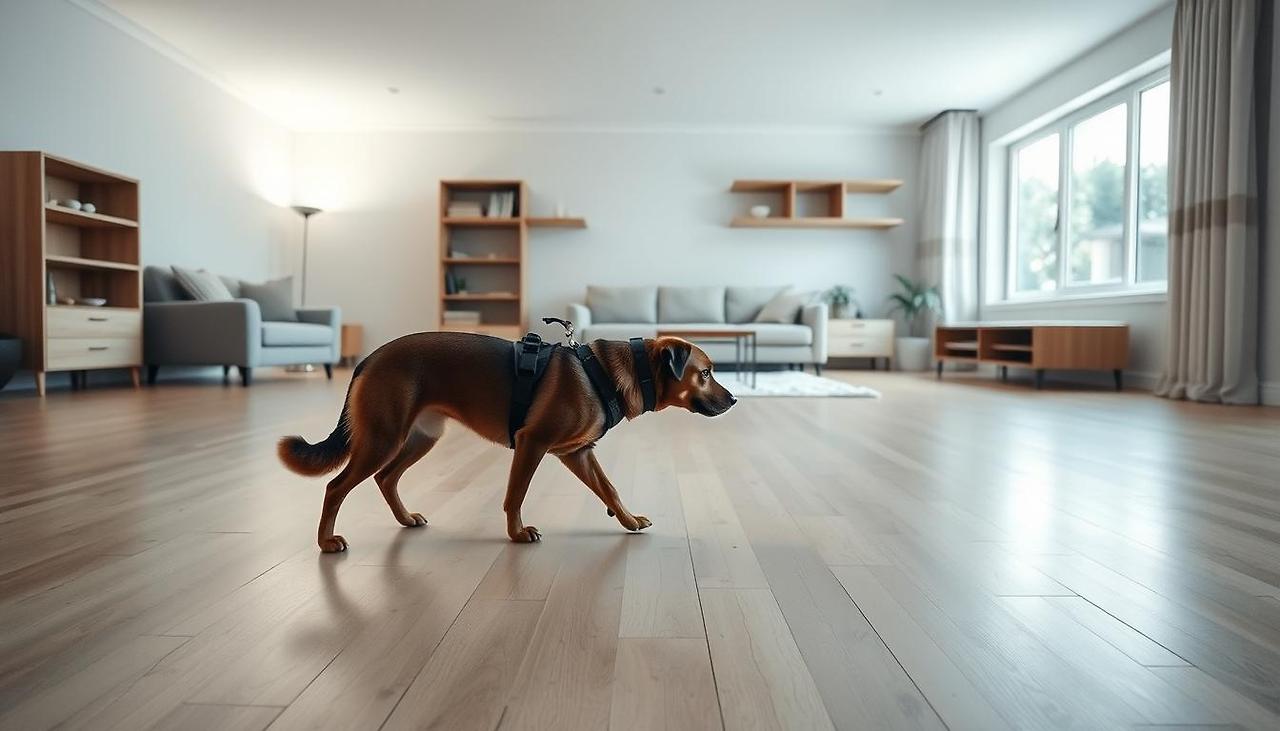
Navigational Aids and Specialized Products
Navigational aids can greatly enhance a blind dog's independence. Products such as doggy doorbells can help them signal their needs, while special harnesses can assist them in navigating the home and outdoors. These tools can be invaluable in supporting a blind dog's mobility and confidence.
Utilizing Technology: There are various technologies available that can aid a blind dog, including GPS tracking devices and smart home systems that can be controlled to help them navigate.
Establishing Consistent Routines
Establishing consistent routines is crucial for a blind dog's sense of security and familiarity. By maintaining regular times for feeding, exercise, and play, you can help your dog anticipate what's happening next, reducing anxiety and stress.
Routine Benefits: A consistent routine can also help in training your dog, as they learn to rely on the sequence of events rather than visual cues. This can include verbal commands and tactile signals.
Essential Tips for Caring for a Blind Dog
Blindness in dogs demands a multifaceted care plan that includes communication, exercise, and emotional support. As a dog owner, adapting to your dog's new needs is crucial for their well-being.
Communication and Command Training
Effective communication is vital when caring for a blind dog. Using clear, consistent commands and positive reinforcement training can significantly help your dog navigate their surroundings. Since they can't see, they rely heavily on their other senses, particularly hearing.
To enhance communication, consider the following tips:
- Use distinct verbal cues for commands.
- Avoid using complex sentences; be concise.
- Consistency is key; use the same commands every time.
Exercise and Enrichment Activities
Exercise and mental stimulation are crucial for a blind dog's overall health. Engage your dog in activities that challenge their senses and keep them active. For example, scent work and guided play can be very enriching.
Some ideas for exercise and enrichment include:
- Creating obstacle courses using familiar objects.
- Playing hide-and-seek to encourage sniffing and exploration.
- Using different textures and toys to stimulate their senses.
Building Confidence and Providing Emotional Support
Building your dog's confidence is essential, especially when they're navigating new or unfamiliar environments. Gentle, supportive interactions can make a significant difference. Be patient and encouraging as they explore their world.
To build confidence, try the following:
- Offer plenty of praise and positive reinforcement.
- Gradually introduce new environments or objects.
- Maintain a calm and predictable routine.
Working with Veterinarians and Specialists
Regular check-ups with your veterinarian are vital to address any health issues promptly. Working closely with veterinarians and specialists can provide valuable insights into your dog's specific needs and help you tailor your care plan accordingly.
Some key aspects to discuss with your veterinarian include:
- Monitoring for any changes in health or behavior.
- Seeking advice on nutrition and dietary needs.
- Discussing potential therapies or treatments that could benefit your dog.
Conclusion
Caring for a blind dog requires a comprehensive approach that encompasses creating a safe environment, effective communication, and emotional support. By understanding the causes and signs of dog blindness, you can take proactive steps to ensure your dog's quality of life.
Implementing home modifications, using navigational aids, and establishing consistent routines are crucial for your dog's safety and confidence. Training your dog with verbal commands and providing regular exercise and enrichment activities will also help them adapt to their condition.
As you care for your blind dog, remember that every dog is unique, and what works for one may not work for another. Stay attentive to your dog's needs, and don't hesitate to seek professional advice when needed. With the right care and love, your dog can continue to thrive despite dog blindness. Effective blind dog care is about being responsive to their needs and making adjustments as necessary.
FAQ
What are the most common causes of blindness in dogs?
Blindness in dogs can result from various factors, including age, injury, or disease, with common causes being cataracts, glaucoma, and progressive retinal atrophy.
How can I tell if my dog is losing vision?
Dogs may exhibit signs such as bumping into objects, hesitating in new environments, or changes in their eye appearance, indicating potential vision loss.
How can I create a safe environment for my blind dog?
Creating a safe environment involves making home modifications to reduce hazards, utilizing navigational aids to help them move around more easily, and establishing consistent routines to provide a sense of security and familiarity.
What are some effective ways to communicate with my blind dog?
Using clear, consistent commands and positive reinforcement training can help your dog navigate their world more effectively.
How can I help my blind dog build confidence?
Building confidence through gentle, supportive interactions, and providing emotional support is essential for a blind dog's well-being.
Are there any specialized products that can aid my blind dog's navigation?
Yes, navigational aids like doggy doorbells or special harnesses can enhance their independence and make navigation easier.
How often should I exercise my blind dog?
Engaging in exercise and enrichment activities tailored to their abilities keeps them stimulated and active, and the frequency can be determined based on their individual needs and health conditions.
How can I work with veterinarians and specialists to care for my blind dog?
Working closely with veterinarians and specialists is crucial to address any health issues promptly and ensure your dog receives the best possible care.
'Dog Club' 카테고리의 다른 글
| Keeping Your Pup Chill: Summer Dog Care (4) | 2025.07.17 |
|---|---|
| Best Seat Covers for Dog Hair: Protect Your Car (2) | 2024.12.02 |
| Cozy Best Friends by Sheri Dog Beds for Pups (0) | 2024.12.02 |
| Find the Best Dog Tag for Your Furry Friend (0) | 2024.12.02 |
| Three Dog Night: Best of 3 Dog Night Hits (0) | 2024.12.02 |


